Skip to product information
1 of 2

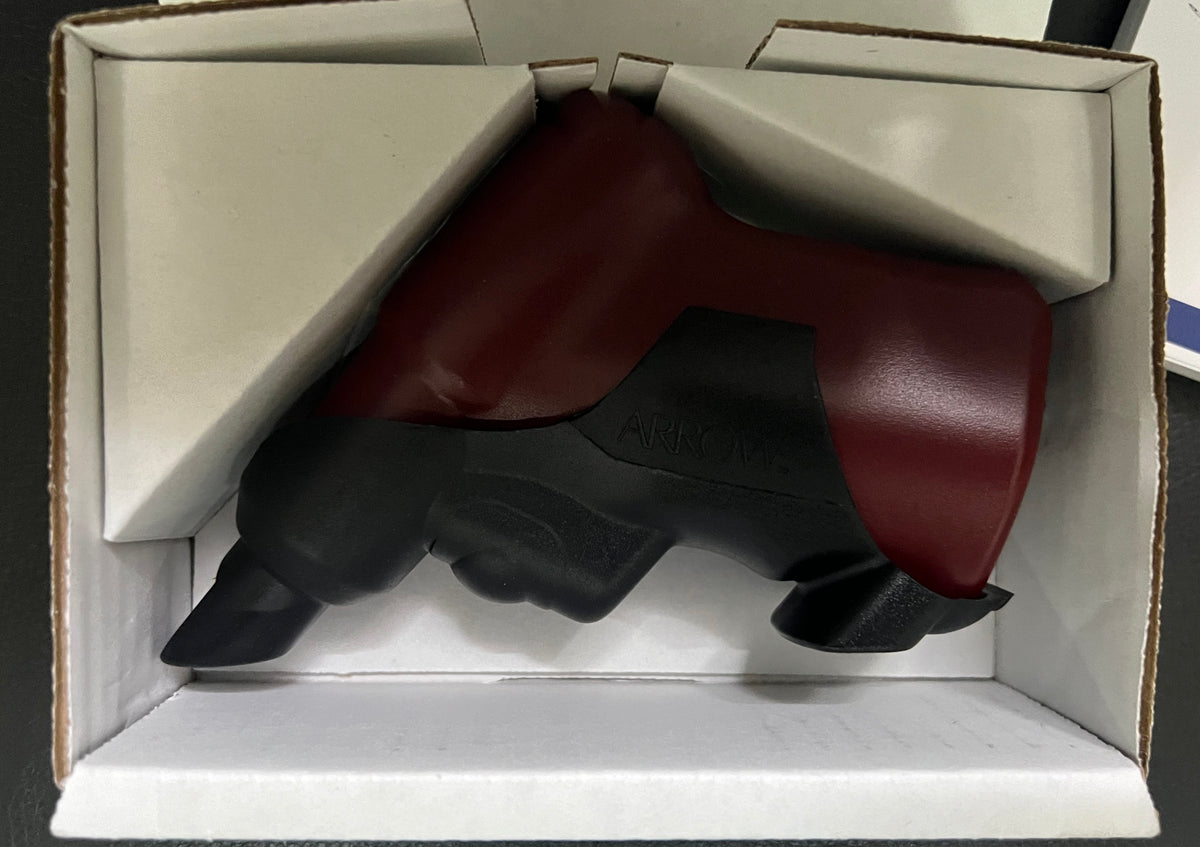
Arrow EZ-IO Power Driver, Intraosseous Vascular Access Driver (Ref No: 9058)

Arrow EZ-IO Power Driver, Intraosseous Vascular Access Driver (Ref No: 9058)

Inquire Now

In cardiac arrest, shock, burns or major trauma, veins can collapse and a standard cannula may take minutes the team does not have. The Arrow EZ-IO Power Driver is built for that moment. This handheld, battery-powered drill drives a specially designed needle through the bone surface and into the marrow cavity. Drugs and fluids then reach the central circulation through the bone's rich blood supply.

Arrow is a Teleflex brand, and EZ-IO is one of the most widely recognised intraosseous (IO) access systems in emergency medicine. Ref No 9058 is the reusable power driver. It works with separately supplied, sterile EZ-IO needle sets chosen for the patient's size and insertion site.

Emergency departments, ambulance services, ICUs, military medical units and rapid-response teams use it as a fast, repeatable option when IV access is difficult or impossible.

Shah Trading Corporation supplies the EZ-IO Power Driver 9058 to hospitals, EMS providers, distributors and institutional buyers in India and overseas, with clear documentation and dependable stock handling. We also supply the wider Arrow, Teleflex and Fisher & Paykel ranges.


Key Features

  • Powered insertion: A motorised drive replaces the manual force of older IO methods, giving a controlled, consistent insertion.
  • Built for speed: Designed to establish vascular access in seconds when peripheral IV attempts have failed or are unrealistic.
  • Reusable driver, disposable needles: One driver serves many patients, while each patient gets a new sterile needle set.
  • One-handed trigger operation: The clinician can steady the limb with the free hand and concentrate on positioning.
  • Magnetic needle-set pick-up: The needle set attaches to the driver tip magnetically, so it can be loaded straight from its protective cap without touching the needle.
  • Compact and portable: Small enough for a crash cart, trauma bag or ambulance kit.
  • Self-contained battery power: No cord is needed, so it suits field use and emergency storage.
  • Compatible with multiple needle lengths: Different needle sets cover small children through larger adults, and different anatomical sites.
  • Established clinical use: Widely referenced in resuscitation protocols and emergency training programmes worldwide.

Detailed Specification

Parameter Detail
Brand Arrow (Teleflex)
Reference / Part No. 9058
Product type Battery-powered intraosseous access driver
Driver reusability Reusable power unit; needle sets are single use
Needle-set compatibility EZ-IO needle sets in multiple lengths (sold separately)
Power source Internal battery
Access sites As defined in the manufacturer's IFU and local protocol
Sterility Driver supplied non-sterile; needle sets supplied sterile
Intended users Trained physicians, paramedics, nurses and emergency responders
Care settings Emergency, critical care, prehospital, military and disaster response
Manufactured For Teleflex Medical
Distributor in India Shah Trading Corporation, Mumbai


How It Is Used in the Real World

  1. Decide that IO access is needed. The clinician determines that peripheral IV access is delayed, failed or impractical, following local protocol.
  2. Choose the needle set. Select the length by patient size, tissue depth and insertion site, as the IFU describes.
  3. Prepare the site. Identify the anatomical landmark, clean the skin and put on gloves.
  4. Load the driver. Hold the driver against the needle set while it is still in its protective cap. The magnet secures it.
  5. Insert. Position the needle perpendicular to the bone, squeeze the trigger and apply steady, gentle pressure until the needle seats in the marrow space.
  6. Remove the driver and stylet. Detach the driver and withdraw the inner stylet, leaving the catheter in place.
  7. Confirm placement. Secure the catheter, check that it is stable and flush with saline as directed.
  8. Start therapy. Give fluids and medication as ordered, using a pressure bag or syringe where needed. Manage pain in conscious patients per protocol.
  9. Plan the transition. IO access is temporary. Remove the needle set within the time limit in the IFU once reliable IV access is available.
  10. Reset the driver. Clean it per the manufacturer's guidance and return it to the kit, ready for the next case.
View full details
Frequently Asked Questions

What problem does the EZ-IO Power Driver solve that a normal IV cannot?

It gives access when veins are not usable. In cardiac arrest, burns, severe dehydration or major trauma, veins can be collapsed or hard to find. The bone marrow stays open and accessible, so drugs and fluids can still enter the circulation.

What are the signs that an IO line is not working properly?

Swelling around the site, resistance during infusion, or fluid leaking from the insertion point can mean the catheter is not correctly seated. Stop the infusion, reassess and follow your protocol. These checks are part of clinician training, not something to improvise.

Can the battery in EZ-IO Power Driver be recharged or replaced?

The Arrow EZ-IO is a hermitically sealed unit. It cannot be opened to recharge or replace the battery. After the red light starts blinking which is an indication that the remaining battery is less that 10% the power driver should be repurchased.